
Termite Swarmers vs. Flying Ants: How to Tell the Difference

If you’ve ever noticed winged insects emerging from your home or yard, you might have wondered whether they are harmless flying ants or destructive termite swarmers. Identifying the difference between these two is crucial for homeowners, as termites can cause significant structural damage if left untreated. Understanding the physical traits, behavior, and prevention methods can help you take the right action quickly.
Omega Pest Control is here to guide you through the differences and share effective strategies for termite prevention.
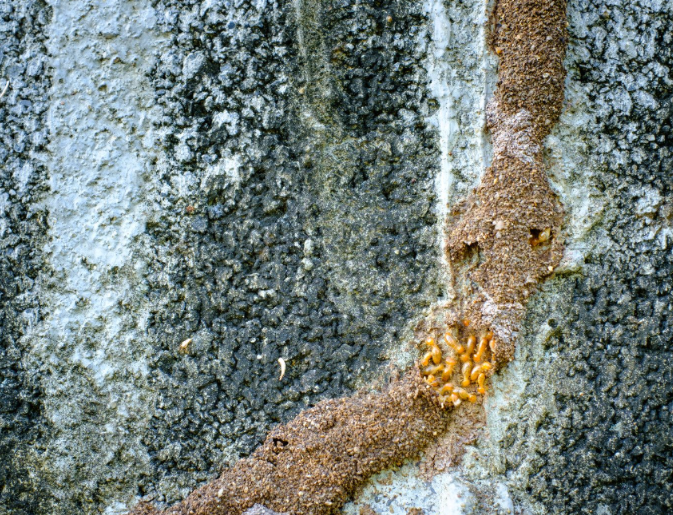
Key Differences Between Termite Swarmers and Flying Ants
While both termites and ants may swarm during specific seasons, their physical characteristics are distinct. Paying attention to the details can save your home from costly repairs.
1. Waist Shape
One of the easiest ways to tell the difference is by looking at the insect’s waist:
Termites: Have a broad, straight waist with no pinching. Their bodies appear uniform from head to abdomen.
Flying Ants: Have a narrow, pinched waist that is clearly segmented, giving them a distinct hourglass shape.
This difference is subtle but can be noticed when the insect is resting or caught in flight.
2. Antennae Structure
The antennae of these insects are another distinguishing feature:
Termites: Straight, bead-like antennae.
Flying Ants: Elbowed antennae that bend in the middle.
This feature can help you identify the insect even if you only catch a glimpse of it.
3. Wing Length and Structure
Examining wings is often the most revealing method:
Termites: Have two sets of wings that are roughly equal in length, longer than their body, and often shed after swarming.
Flying Ants: Front wings are noticeably longer than the back wings.
If you find discarded wings near window sills or doors, matching their lengths can quickly indicate a termite infestation.
4. Behavior and Habitat
Behavioral patterns also differ between the two:
Termite Swarmers: Often emerge from soil, wood, or damp areas and are less active during daylight. They are primarily reproductive individuals seeking to establish new colonies.
Flying Ants: Tend to swarm near established nests, often appearing in large numbers outdoors, especially around decaying wood or leaf litter.
5. Color Differences
While less reliable, color can sometimes help:
Termites: Typically light brown or cream-colored.
Flying Ants: Dark brown or black, sometimes with a reddish hue depending on species.
Why Correct Identification Matters
Misidentifying termite swarmers as flying ants can have serious consequences. Termites feed on wood, often undetected until severe damage occurs. Flying ants, while a nuisance, do not destroy property. Early detection and accurate identification allow you to implement effective termite prevention strategies, reducing long-term costs and safeguarding your home.
Omega Pest Control recommends regular inspections, particularly in spring and summer when swarms are most common. Identifying termites early is crucial to preventing an infestation from spreading and causing structural damage.
Termite Prevention Tips
Even if you don’t currently see termite swarmers, it’s wise to take proactive steps:
Reduce Moisture: Termites thrive in damp environments. Fix leaking pipes, gutters, and roof leaks.
Remove Wood Contact: Keep firewood, lumber, and mulch away from your home’s foundation.
Seal Cracks and Crevices: Block potential entry points around doors, windows, and foundations.
Regular Inspections: Schedule annual pest inspections, especially in areas prone to termite activity.
Professional Treatment: If termites are detected, professional pest control services can apply targeted treatments to eliminate colonies safely.
By taking these measures, you can minimize the risk of a costly termite infestation.

When to Call a Professional
While DIY methods may help prevent termite entry, professional expertise is often necessary when you spot swarmers or signs of infestation. Omega Pest Control provides comprehensive termite inspections, effective treatments, and guidance on long-term prevention. Their trained specialists understand the subtle differences between flying ants and termite swarmers, ensuring accurate identification and swift action.
Remember, early detection is key to avoiding structural damage and maintaining your home’s value.
Termite Swarmers vs. Flying Ants
Understanding the physical traits, behaviors, and habits of termite swarmers and flying ants is crucial for effective pest control near me searches and successful termite prevention. By observing characteristics like waist shape, antennae, and wing length, homeowners can distinguish between harmless ants and potentially destructive termites.
Professional assistance, routine inspections, and preventive measures from a trusted service like Omega Pest Control provide peace of mind and help protect your home from hidden damage. Don’t wait until you see damage, knowing the difference today can save you significant time and expense tomorrow.
FAQs
1. How can I quickly identify termite swarmers? Check the waist shape (broad vs pinched), antennae (straight vs elbowed), and wing lengths (equal vs unequal). These traits are reliable indicators.
2. Are termite swarmers dangerous to humans? No, termites do not bite or spread disease. Their danger lies in structural damage to homes.
3. When is termite swarmer season? Termite swarmers typically emerge during spring and summer, especially after rainfall, to establish new colonies.
4. Can flying ants be mistaken for termites? Yes, because both have wings. Observing their antennae, waist, and wing proportions can prevent misidentification.
5. How often should I schedule termite inspections? At least once a year. Homes in high-risk areas may benefit from more frequent inspections.



Comments